H1: What is Suboxone? A Complete Guide for Patients in Nashville
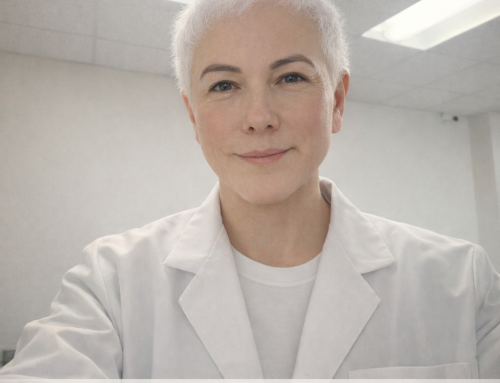
My name is William Conway, MD, FACP, FASAM. I have a primary care internal medicine practice in Nashville with a subspecialty certification in addiction medicine. Since 2011, I have treated patients with Suboxone for their opioid addiction. My patients usually stay long term, for years or even over a decade.
From my patients, I have learned how to use Suboxone to their benefit. Yes, the mentoring I received at the American Academy of Addiction Psychiatry was crucial for my learning. I will always be grateful to Ellie McKance- Kratz for her thoughtful and devoted mentoring of me. The annual meeting and the independent courses from the American Academy of Addiction Psychiatry provided me with the guidance to understand what my patients were telling me.
I will also be grateful for the Tennessee Rules, administered by the Tennessee Department of Mental Health and Substance Abuse Services. Their rules are a recovery model. By following the spirit and the letter of their rules, I have been able to benefit my patients.
In this series of blogs, I will introduce you to the language of addiction medicine. The fundamental ideas of addiction medicine are often easy to understand once you understand the language of addiction medicine. However, you must understand the technical language physicians use to communicate with us effectively.
H2: What is Suboxone?
Suboxone is the brand name for buprenorphine. Buprenorphine is classified as an opioid. It appears mysterious, but an opioid by the name of Suboxone is indeed the treatment of opioid use disorder. It seems paradoxical and counterintuitive that this special opioid provides patients with relief from addiction to opioids and a better life.
H2: What is Suboxone Used For?
Buprenorphine is used to treat.
- Addiction to Opioids
- Pain
Buprenorphine, if taken consistently in a disciplined fashion, relieves the craving of opioid withdrawal. Buprenorphine is effective in getting a patient off their daily use of illicit or legal opioids. Our word for this is detoxification. Buprenorphine can be used to detoxify a patient from opioids. Addiction physicians, as a profession, study consistently to improve methods of detoxification.
Buprenorphine is also effective in relieving pain.
Suboxone is a fundamental treatment for Opioid Use Disorder.
Suboxone is the second pharmacological treatment recognized and used for patients with addiction to opioids.
H2: How Does Suboxone Help Opioid Addiction?
Suboxone helps opioid addiction by
- Eliminating cravings
- Eliminating withdrawal
- Resetting your opioid (mu) receptors to normal
- Allowing you to live a normal life without being controlled by illicit opioids
H2: How Does Suboxone Work in the Brain?
The language of psychopharmacology is complicated. The beginning of addiction is a substance that activates the reward pathways of the brain.
The human brain is complicated, both in structure and function. The reward pathways are a part of the brain that controls motivation. Including motivation is pleasure. Equally important, the opposite pole of pleasure is the avoidance of pain. Substances can produce both pain and pleasure. A substance that activates the reward pathway is called a psychoactive substance. Most substances and most drugs do not activate the reward pathways. Those substances that activate the reward pathway carry their own logic.
Opioids are drugs that activate the reward pathway to produce pleasure. The medical term for pleasure is euphoria. Opioids produce euphoria. The eternal attraction of opioids is opioids is the pleasure they produce.
However, the reward pathways have their own consistent logic. A consistent use of opioids daily over time results in a predictable and consistent response of the reward pathways. The first response is that reward pathways require an increasing number of opioids over time to maintain the same response. The technical word physicians use for this is tolerance.
As the reward pathway is exposed to a consistent, increasing number of opioids daily, the machinery of the cells begins to change. To function normally, cells require a constant daily dose of opioids. The technical word for this is dependence.
If the amount of opioids ingested in a day is reduced or stopped, the body responds with a biological response called withdrawal. Patients experience withdrawal as a form of suffering, like the “flu.” The withdrawal has a bimodal time course, with a short-term suffering we call acute, followed by longer suffering lasting weeks to months that we call prolonged.
The final predictable reaction of the brain to daily opioids is that the brain no longer produces pleasure. The pleasure steadily decreases. The patient is then driven to take opioids daily to avoid suffering from withdrawal.
To Summerize, the predictable response of the reward pathways to a daily supply of ingested opioids is the following:
- Tolerance
- Dependence
- Withdrawal
H2: Does Suboxone Stop Withdrawal and Cravings?
After treatment has begun, and you have been detoxified off opioids, suboxone will.
- Relieve your cravings.
- Stop your withdrawal.
H2: Is Suboxone Safe for Long-Term Use?
Suboxone can be used long-term safely. There is no damage to the heart, liver, lungs, or kidneys from suboxone.
H2: What are the Risks and Side Effects of Suboxone?
Buprenorphine is safe in Nashville if you:
- Are under a physician directed clinic.
- Follow Tennessee rules.
- Do not take a benzodiazepine with Suboxone!
- Do not immediately return to illicit opioids after stopping suboxone
H2: When Should You Start Suboxone Treatment?
After receiving informed consent from your physician, you should begin suboxone when you are ready to enter recovery. Suboxone is a fundamental treatment for illicit use of opioids.
H2: What to Expect from Suboxone Treatment in Nashville?
After beginning suboxone successfully and continuing it consistently, you should expect.
- Your craving will stop.
- Your withdrawal will stop.
- You will stop spending money on illicit opioids.
- You should gain control over your life again.
- Your risk of death from overdose will reduce.
H2: Frequently Asked Questions about Suboxone?
- Is suboxone effective in stopping use of fentanyl?
Yes, if you enter a suboxone program under a physician’s care, and if you follow Tennessee rules, suboxone should be effective in stopping fentanyl.
- Is Suboxone Expensive?
Suboxone is much less expensive than fentanyl. Suboxone care is normally covered by insurance. Suboxone prescriptions are commonly paid for by insurance. If insurance does not cover your suboxone, the medication is usually less than $200 per month in Nashville.
- Does suboxone work?
Yes, suboxone can make you feel normal again in regard to your complications from using opioids.
- Can suboxone be taken long-term?
Yes, suboxone can be taken long-term for years if you choose.
- Is suboxone commonly available in Nashville?
Yes, Nashville has many fine suboxone clinics. You will have many choices.
Conclusion
My work is to walk with you through those decisions — quietly, steadily, and without judgment. I am William Conway, MD, in Nashville
📞Call 615-708-0390