H1: What is Kratom? Risks, Addiction, and Withdrawal in Nashville
Many patients begin using Kratom without understanding what it is or how it affects the brain
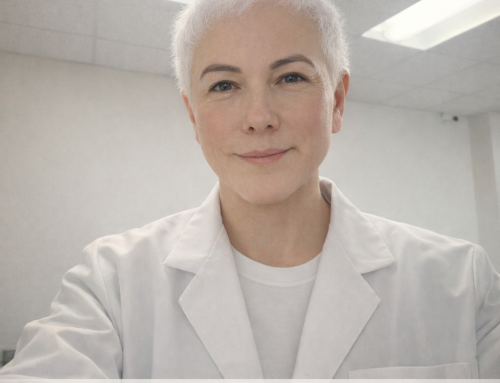
I am Dr. William Conway, MD, FACP, FASAM, an internal medicine physician specializing in addiction medicine in Nashville, Tennessee
H2: What Kratom is and Where It Comes From
Kratom comes from Mitragyna specioa, which is a tree native to Southeast Asia. Traditionally, the leaves were chewed, or tea was brewed. In Asis, the use was intermittent and low dose. Used by manual laborers in Asia, tea or its chewing helped them work longer and harder with less fatigue. Mood stabilization was also observed. Used in this cultural context, in low doses, dose escalation, loss of control, and addiction were rare.
In the United States, Kratom is sold in gas stations in the following formulations
- Powders
- Capsules
- Extracts
- Liquid shots
- Gummies
In these formulations, Kratom is not a plant. Kratom is a processed, pharmacologically active substance.
Extracts are a concentrated version of the plant. The main compounds include:
- Mitragynine (primary compound)
- 7-hydroxymitragynine (7-OH) (more potent, opioid-like)
The Kratom you buy at the gas station is a mixture of mitragynine and 7-OH.
When patients begin Kratom, they often do not recognize that
- Kratom can produce withdrawal with painful suffering
- Kratom acts like an opioid
- There is a real risk in buying Kratom from a gas station
- You may require treatment in Nashville for an addiction to Kratom
👉 Extracts increase the amount of these compounds per dose. Many patients in Nashville develop Kratom addiction and Kratom withdrawal symptoms without recognizing the risk.
H2: How does Kratom Work?
The Kratom you are buying at the gas station is
- Very strong, or potent
- Very powerful in effect upon your pleasure centers
- Unpredictable in dose
Kratom is best considered to be a readily available opioid equivalent. Like fentanyl or oxycodone, Kratom can produce addiction by the rapid induction of tolerance, loss of control, and withdrawal. The withdrawal from Kratom produces real suffering.
Like opioids, Kratom affects multiple neurotransmitters of pleasure, mood, and activation
- Dopamine-pleasure
- Serotonin-mood
- Adrenergic pathways- Activation
Kratom must be respected. To learn more: Is Kratom an opioid?</a>
H2: Why “Kratom” is No Longer One Drug?
Modern commercial Kratom products vary widely in composition and potency, making each product effectively different.
The Gold Series of Blissful Remedies is marketed as ultra-enhanced relative to Red Maeng Da. In fact, you do not know what you are buying, what is in the capsules, or how the capsules will impact you. These are not pharmaceuticals.
H2: Why this Matters Clinically
The label of both Blissful Remedies gives the impression of being standardized and safe. Neither is true. In my many patients who developed their opioid use disorder from Kratom, not a single one of them realized that they were taking an opioid equivalent from the gas station.
Each of these Blissful Remedies can produce
- Withdrawal symptoms in Nashville
- An addiction similar to opioid addiction
- Real losses, personal and economic
- Adverse consequences not expected
Many patients do not recognize how Kratom use progresses.
H2: Why Patients Use Kratom
What my patients did recognize was that they initially received one or more of the following benefits
- Pain relief
- Calming
- Improved focus
- Self-treatment of their opioid withdrawal from another opioid, legal or illegal
My patients in Nashville did not realize that their use of Kratom placed them at risk for Kratom withdrawal symptoms and a Kratom addiction.
H2: Kratom Dependence Versus Addiction in Nashville
Each of my patients previously on Kratom told me that their use of Kratom accelerated, gradually or rapidly increasing the amount of Kratom they consumed. The total price of their daily and monthly Kratom went from a small number to a significant number, often between $1000-$2000 per month. My patients had lost control. They took increasingly. Furthermore, their pleasures declined. So they were spending more and more for less, simply to mitigate or reduce their opioid withdrawal. They continued to use Kratom despite increasing harm, in increasing doses that they could not control. They had developed a disease, opioid use disorder, from the simple Kratom they had purchased from the gas station.
H2: Kratom Withdrawal Symptoms and Treatment in Nashville
I have several patients on Kratom. I will share with you a patient I had, whom I will call John. John had a particularly difficult case, with a torturous course, which was lost to follow-up. John was self-employed, running a small concrete company. In growing Nashville, John had all the business that he wanted. His clients consistently paid him. His central problem was finding reliable workers. Often, John had to do extra work when his employees failed to show up for work.
On the initial visit, John revealed that he was spending $1200 a month on Kratom from a gas station. A connoisseur of Kratom, John had learned that 7-OH was his favorite, and he had learned which commercial products provided him the most relief. When John began Kratom, he experienced pleasure. Unfortunately, the experience of pleasure has disappeared. He now takes Kratom to avoid withdrawal.
I reviewed his treatment choices for detoxification from Kratom.
- Outpatient high-dose buprenorphine
- Inpatient detoxification.
Our initial interview was unique. John specifically asked me, “Can you put me to sleep while I go through this?” I informed him no. I could not put him to sleep because he was going off Kratom.
I recommended inpatient detoxification at one of Nashville’s excellent detoxification centers. However, John stated that he had work he had to do tomorrow, and he would not accept inpatient detoxification. Aged 40 years, with no comorbid medical problems, I agreed to high-dose outpatient buprenorphine.
Three hours later, John called me to say that he felt worse on buprenorphine with nausea. I provided treatment for nausea. The next morning, John informed me that he could not tolerate how sick he was after buprenorphine. He elected to go that morning to an inpatient detoxification center.
One week later, I heard from John again. He had signed himself out of the outpatient detoxification center because he did not want to pay $12,000. He informed me that he had found an out-of-state physician who had put him asleep with high-dose benzodiazepines. His immediate withdrawal was over, but he still felt poor. He wanted telephone treatment rather than the standard procedure of being seen in the office, where appropriate treatment could be provided. I did not provide treatment over the telephone. I never heard from John again.
What John demonstrated was a severe opioid withdrawal syndrome, which is often labeled as precipitated withdrawal. I have not seen precipitated withdrawal reported previously in Kratom. However, John’s clinical course was severe, characterized by
- Suffering
- Loss of income from lost work
- Decision-making, which placed him at hi
H2: Treatment of Kratom
In Nashville, Kratom addiction treatment often includes structured detoxification and medications such as buprenorphine.
The best choice is not to use Kratom. Recognize Kratom for what it is: a high-risk substance that is easy to become addicted to.
If you are already addicted to Kratom, you have the central treatments always used in addiction medicine.
- Counseling and psychotherapy to understand why you use Kratom.
- Detoxification in a detoxification center, followed by abstinence-based treatment
- Buprenorphine, either short-term or long-term.
- Methadone maintenance long-term
Do you have a lifelong use of opioids? If so, were you able to control or stop your use of opioids at will? Have you had serious adverse consequences from your use of opioids? If you have a lifelong use of opioids, with uncontrolled use, and serious negative consequences, then buprenorphine treatment or methadone maintenance is a reasonable choice for you.
I have several patients currently on buprenorphine maintenance treatment, or previously on buprenorphine maintenance treatment from their use of Kratom. One patient elected to discontinue buprenorphine. Another is currently calculating whether buprenorphine deserves its continuation. Other patients on Kratom have elected to stay on long-term buprenorphine maintenance.
For a complete guide to your treatment options:
<a href=”/how-to-treat-kratom-addiction-nashville”>Treatment of Kratom addiction</a>
H2: Why is Kratom so Difficult to diagnose?
The use of Kratom is established by history, as well as the presence of withdrawal.
There is no standardized testing for Kratom. The products found in a package are variable.
H2: When is Kratom a Medical Problem?
The use of Kratom, like all substances, is a slippery slope. It is easy to begin with Kratom. It is easy to explore the use of various products containing Kratom. Increasing your spending from a few dollars on Kratom to hundreds of dollars on Kratom is easily done, especially for busy people working 50 to 70 hours each week. My patients report that they lost track of their spending while they lost control. Each of the patients previously on Kratom reports that their withdrawal worsened, and their capacity to work reduced.
Kratom, like all addictions, is characterized by
- Loss of control over intake
- Painful unexpected consequences
- Withdrawal
There is a final pathway that the body goes through with any substance that can produce dependence and withdrawal. With an underlying opioid use disorder, a patient can easily slide into the use of Kratom, which is a manifestation of the underlying opioid use disorder.
If you recognize these patterns, you may already be dependent:
<a href=”/kratom-addiction-vs-dependence-nashville”>Kratom addiction vs dependence</a>
H2: Is Kratom Legal and Why is it Sold in Gas Stations?
Kratom is a legal gray zone. There is a lack of FDA regulation. Kratom is often sold in gas stations without oversight. There is a perception of safety, but the reality is high risk.
Many patients assume availability means safety.
<a href=”/gas-station-kratom-dangerous”>Why gas station Kratom is dangerous</a>
H2: Who I Treat in My Practice?
My Nashville practice is based on primary care internal medicine, with a subspecialty in addictions. My practice is small. I know each patient well. With persons on Kratom, I have treated a wide range of persons from multiple walks of life, including contractors to professors. With each patient, I listen carefully to establish preferences. With each, we do the following.
- After informed consent, with shared medical decision making, we choose the best treatment for you for your Kratom addiction.
- We review your chronic illnesses and establish a plan for managing those you want treated.
- We focus on your longevity, making every decision today in a way that benefits your longevity in the future.
-
H2: Frequently Asked Questions About Kratom
-
H3: What is Kratom?
- Kratom is a plant-derived substance affecting opioid and mood pathways. Kratom is commonly sold in the United States in gas stations without a prescription.
-
H3: Is Kratom an opioid?
- It behaves like one in some ways, but not entirely. The fact that Kratom behaves as an opioid equivalent is what makes Kratom so dangerous.
-
H3: Can Kratom cause withdrawal?
- Yes, especially with frequent use. I have seen severe kratom withdrawal in clinical practice. Kratom is to be respected.
-
H3: When is it a problem?
- Kratom can produce an addiction that is equivalent to an opioid use disorder. Kratom can produce dependence, withdrawal, and unexpected adverse effects, all the markers of a disease of addiction.
-
H3: How is it treated?
- Dependence and addiction to Kratom first require detoxification from the Kratom. A decision must be made never to use Kratom again. Standard treatments such as counseling, enrollment at an addiction medicine unit, and buprenorphine are all options for treatment.
Conclusion:
If you are using Kratom and losing control, you are not alone. This is a medical problem that can be treated. At Nashville Concierge Medicine, I provide direct physician care for Kratom addiction. I provide full treatment for Kratom addiction, including buprenorphine maintenance treatment.
We have direct physician care within a primary care internal medicine practice in Nashville, Tennessee. If this seems right to you, please get in touch with Dr. William Conway, MD, at Call 615-708-0390 to begin kratom addiction treatment in Nashville.